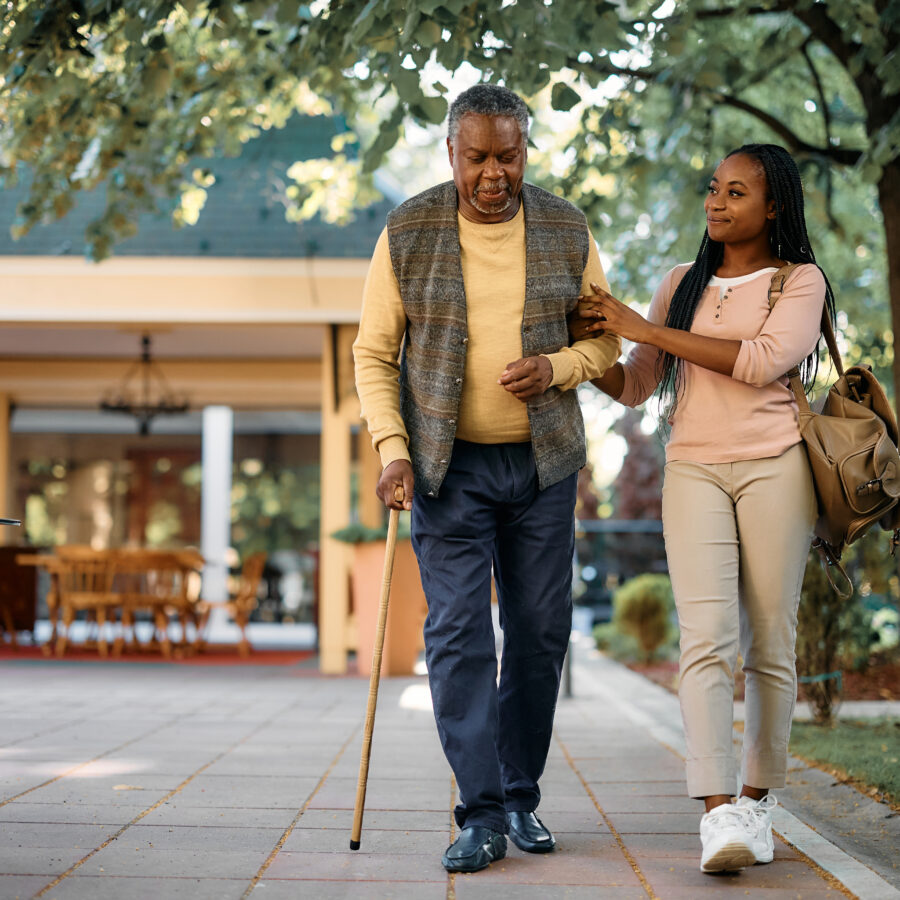
Some of the most meaningful gifts we can offer another person require no wrapping, no cost and no special occasion. Respect—genuine, and attentive respect—is one of them. Respect for the elderly can arrive in the form of a comforting conversation, a thoughtful question, or simply the quiet act of being present without distraction. These are not grand gestures. They are small, deliberate choices made in the ordinary flow of daily life, and they carry a weight that grand gestures rarely match.
As people live longer and more actively than ever before, the way we engage with older adults speaks volumes about who we are as individuals and as a community. An aging population is not a burden to be managed—it is a repository of wisdom, resilience, and life experiences that deserve to be honored. Yet in a culture that often values speed, novelty and youth, it is easy to overlook the profound value that older generations bring to our lives.
Below are a few tips to help us all remember how to show proper respect for the elderly.
1. Learn to Listen
There is a quiet art to listening. For older adults—many of whom may feel increasingly marginalized or talked over—being genuinely heard is one of the most validating experiences they can have. Active listening means more than simply staying silent while someone speaks. It means giving your full attention: setting down your phone, maintaining comfortable eye contact, and resisting the urge to interrupt or redirect the conversation toward your own thoughts. It means allowing an older person to finish a thought at their own pace, even when silence stretches a little longer than what might be considered normal, and trusting that what they have to say is worth the wait. When we listen with patience and curiosity rather than obligation, we communicate something powerful—that the person in front of us matters.
2. Choose Words with Care
The words we use with older adults tend to signal either respect or its absence in ways we may not always recognize or intend. One of the most common and most unintentional forms of disrespect is “elderspeak,” the habit of talking to older adults in a slow or overly simplified manner as though they were children. This ”elderspeak” is deeply patronizing and can cause real emotional harm. Instead, speak clearly and naturally, adjusting your volume only when genuinely needed for hearing. When conversations move more slowly, resist the urge to complete sentences or steer toward a quicker conclusion.
3. Honor What They Know
Decades of living carry within them a depth of insight that no chatbot, search engine or self-help book can replicate. To overlook this reservoir of experience is more than impolite. It’s a genuine loss.
One of the most meaningful ways to show respect for the elderly is to ask for their perspective. Seek their advice. Invite them to share stories from their past—not as a performance for nostalgia’s sake, but because those stories contain real lessons worth absorbing. Include them in decisions that affect their own lives. When we approach older adults as teachers rather than recipients of our care, we transform the relationship into something genuinely reciprocal.
4. Offer Help — But Always Ask First!
There is a meaningful difference between offering assistance and assuming it is needed, and that difference matters enormously to a person’s sense of dignity. Autonomy—the ability to make one’s own choices and manage one’s own life—is central to self-worth at every age, and it does not diminish simply because someone has grown older. Before stepping in to assist, ask: “Would you like a hand with that?” That single question transforms help from an imposition into a gift. Patiently walking someone through a smartphone or video call interface, without condescension or visible frustration, communicates far more respect than simply taking over and doing it for them. Offering to assist with errands, appointments, or household tasks is a generous act—but doing so in a way that preserves the other person’s sense of agency and control is what makes it truly respectful.
5. Show Up Consistently
Loneliness among older adults is a serious concern with measurable consequences for both mental and physical well-being. Research has consistently linked social isolation among the elderly to increased risks of cognitive decline, depression, cardiovascular disease and premature mortality. Against this backdrop, one of the most profound ways to show respect for the elderly is simply to show up and to keep showing up. Regular visits, phone calls, shared meals and even brief check-ins communicate something that no single grand gesture can: that a person is valued and not forgotten. Celebrate their milestones with genuine enthusiasm. Honor their daily routines and preferences rather than asking them to conform to yours.
6. Advocate for Their Voice
Respect for the elderly does not end at the front door. It extends into hospitals, care facilities, family meetings, and every environment where decisions about an older person’s life are made. Too often, older adults find themselves discussed rather than consulted, spoken about in the third person while present in the room, or excluded from care planning conversations that concern them directly. Advocating for their voice means ensuring they are active participants in medical and care decisions, not passive subjects.
A Practice, Not a Gesture
Respect for the elderly is not something that can be delivered in a single visit or summarized in a single act of kindness. It is a practice—a daily discipline of attention, patience and genuine care that must be chosen again and again, in ordinary moments and unexpected ones. When we show up for older adults with consistency and warmth, we do not simply improve their lives, we can cultivate and grow our relationships with them.
Contact Bethesda for dignified, respectful senior care and community living.
Back to All Posts